

-
Smooth control — Practice gentle acceleration, steady steering, and progressive braking. Smoothness = safety + fuel efficiency.
-
Situational awareness — Keep your eyes moving. Scan mirrors every 5–8 seconds, check blind spots, and look far ahead, not just at the car in front.
-
Space management — Maintain a safe following distance (at least 3 seconds). More in rain or at higher speeds.
-
Road reading — Anticipate hazards early: pedestrians, cyclists, merging traffic, parked cars, intersections, and weather changes.
🧠 2. Tips for New Learners
-
Start slow, build up — Begin in quiet streets, then progress to busier roads, highways, and night driving.
-
Master the basics first — Parking, reversing, hill starts, lane discipline, and roundabouts.
-
Use reference points — For parking, turning, and lane positioning. They help build consistency.
-
Stay relaxed — Grip the wheel lightly, breathe normally, and don’t rush decisions.
-
Practice in different conditions — Rain, night, peak hour, and rural roads. Real-world variety builds real confidence.
-
Ask questions — If you’re learning with an instructor or experienced driver, ask why something is done, not just how.
🛣️ 3. Tips for Experienced Drivers (to break bad habits)
-
Refresh road rules — Many experienced drivers forget updated laws (e.g., mobile phone rules, merging rules, speed zone changes).
-
Avoid complacency — Familiar routes can make you switch to “autopilot”. Stay alert and engaged.
-
Rebuild good habits
-
Use indicators early
-
Keep both hands on the wheel
-
Stop rolling through stop signs
-
Avoid tailgating
-
-
Check your blind spots properly — Mirrors alone are not enough.
-
Reduce distractions — No texting, no fiddling with the GPS while moving, no eating while driving.
-
Practice defensive driving — Assume others may make mistakes and prepare for them.
🅿️ 4. Parking & Manoeuvring Tips
-
Go slow — Parking is not a race.
-
Use mirrors + head checks — Don’t rely on cameras alone.
-
Break it into steps — Position → Angle → Reverse → Adjust.
-
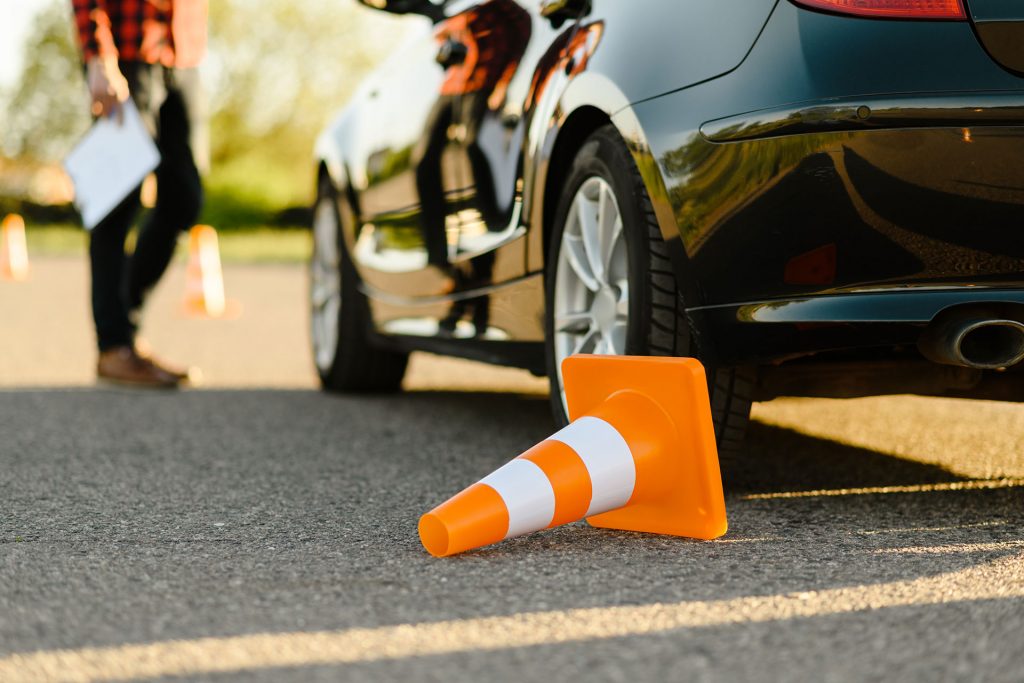
Practice in empty car parks — Set up cones or markers to simulate tight spaces.
🌧️ 5. Driving in Challenging Conditions
-
Rain — Increase following distance, brake earlier, avoid sudden steering.
-
Night — Use high beams wisely, reduce speed, watch for pedestrians and animals.
-
Highways — Keep right only for overtaking, maintain consistent speed, check mirrors often.
-
Traffic — Stay patient, avoid aggressive lane changes, keep a buffer zone.
🧩 6. Mental & Safety Habits
-
Stay calm under pressure — If you miss a turn, don’t panic. Keep going and reroute.
-
Never drive tired — Fatigue slows reaction time more than people realise.
-
Know your car — Learn how ABS feels, where the blind spots are, and how the car responds at different speeds.
-
Plan ahead — Check traffic, weather, and route before leaving.
🏆 7. How to Keep Improving Over Time
-
Practice one skill at a time — e.g., one week focus on smooth braking, next week on lane discipline.
-
Record your drives (dashcam) — Reviewing mistakes helps you improve.
-
Take an advanced driving course — Defensive driving, skid control, or night driving courses sharpen skills.
-
Self‑evaluate regularly — Ask: “What did I do well today? What can I improve?”
If you want, I can also create:
-
a one‑page printable checklist for new drivers
-
a training plan for weekly practice
-
a quiz to test driving knowledge
-
tips tailored to Australian road rules
Solo Driving Training 2026
Successful Education firm.
Lorem ipsum dolor sit amet, consectetur adipiscing elit. Ut elit tellus, luctus nec ullamcorper mattis, pulvinar dapibus leo.